

배터리 및 충전기 무료 사용 설명서 – 읽기, 다운로드, 인쇄
1 매뉴얼
매뉴얼
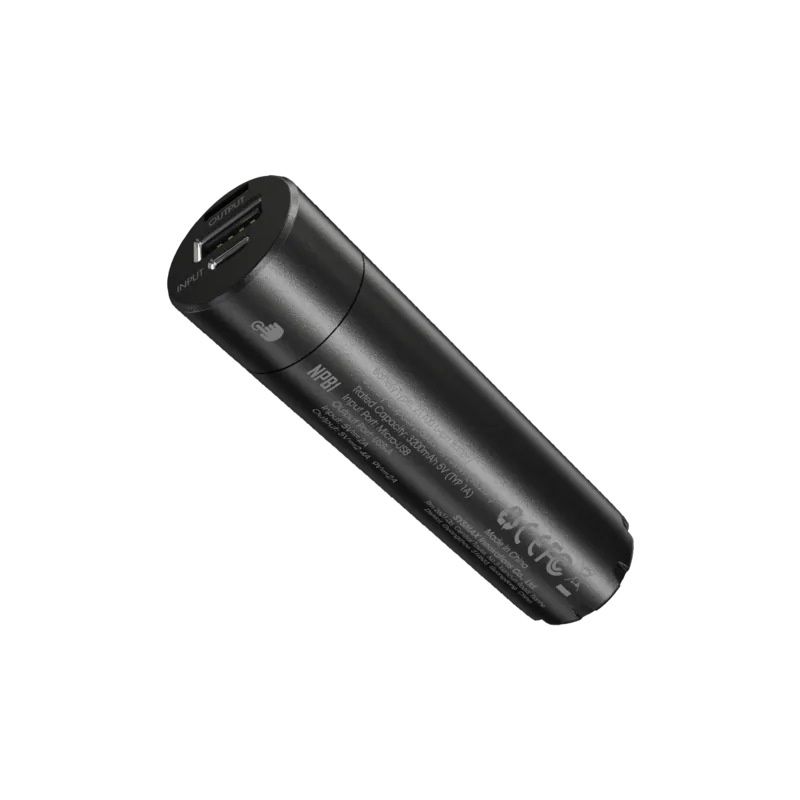
Free Batteries and Chargers User Manuals
Welcome to the comprehensive collection of user manuals for batteries and chargers. This section is dedicated to providing you with accurate, detailed, and accessible documentation for a wide variety of power storage and charging devices. Whether you have purchased a new laptop battery, need to understand the charging cycles of your electric vehicle, or require safety instructions for a household charger, you will find the necessary information here. Our goal is to ensure that every user can operate their devices safely and efficiently by providing clear guidance on usage, maintenance, and troubleshooting.
Understanding the Importance of Proper Documentation
Batteries and chargers are critical components of modern electronic life. They power everything from small wearable devices to large industrial machinery. However, these devices involve chemical processes and electrical currents that require careful handling. Misuse of a battery or charger can lead to reduced performance, shortened lifespan, or even safety hazards such as overheating or fire. Therefore, reading the user manual before first use is not just a recommendation but a necessity for responsible ownership.
The manuals in this category cover essential topics such as initial setup, proper connection methods, indicator light meanings, and safe storage practices. By consulting these documents, users can avoid common pitfalls that often result in premature device failure. For instance, many lithium-ion batteries have specific temperature ranges for optimal charging. Ignoring these guidelines can degrade the battery cells permanently. The manuals provide the exact specifications required to maintain the health of your power sources.
Types of Battery Manuals Available
Our database includes manuals for various types of batteries, each with unique characteristics and care requirements. You will find documentation for rechargeable batteries, which are common in consumer electronics, as well as non-rechargeable options where disposal instructions are critical.
Lithium-Ion and Lithium-Polymer Batteries
Lithium-based batteries are prevalent in smartphones, laptops, tablets, and power tools. The manuals for these devices often include detailed sections on calibration, memory effect management, and long-term storage. Users can learn how to maximize the number of charge cycles their battery can endure. These documents also explain the behavior of battery management systems, which protect the cells from overcharging and deep discharge. Understanding these mechanisms helps users interpret warning signs and take corrective action before damage occurs.
Nickel-Metal Hydride and Nickel-Cadmium Batteries
Although older technologies, NiMH and NiCd batteries are still used in many household items like cordless phones, remote controls, and emergency lighting. The manuals for these products focus on proper conditioning techniques to prevent the memory effect, a phenomenon where the battery loses capacity if repeatedly recharged after being only partially discharged. The documentation provides step-by-step guides for full discharge and recharge cycles to maintain optimal performance.
Lead-Acid and Industrial Batteries
For larger applications such as automotive starters, uninterruptible power supplies, and solar energy storage, lead-acid batteries are common. The manuals in this subcategory emphasize safety precautions due to the presence of sulfuric acid and heavy metals. Instructions cover ventilation requirements, terminal cleaning, and water level checks for flooded batteries. These documents are vital for maintaining the reliability of backup power systems and ensuring the longevity of expensive industrial equipment.
Charger Documentation and Safety Guidelines
Chargers are the counterparts to batteries, and their proper use is equally important. A mismatched or faulty charger can damage a battery or pose an electrical risk. The manuals provided here detail the compatibility requirements between chargers and batteries, including voltage, amperage, and connector types.
Smart Chargers and Fast Charging Technologies
Modern chargers often feature smart technology that communicates with the battery to adjust the charging rate dynamically. The manuals explain how these features work and what the various status indicators mean. Users can learn about different charging modes, such as trickle charging, bulk charging, and absorption phases. Understanding these stages helps users determine if their charger is functioning correctly and if the battery is receiving the appropriate current.
Universal and Multi-Port Chargers
With the proliferation of USB-C and other universal standards, many users rely on multi-port chargers for multiple devices. The documentation for these units includes load distribution guidelines, explaining how power is shared among ports when multiple devices are connected. This information is crucial for ensuring that all devices charge efficiently without overheating the charger or causing power fluctuations.
Maintenance and Troubleshooting
A significant portion of the manuals in this category is dedicated to maintenance and troubleshooting. Regular maintenance can extend the life of both batteries and chargers significantly. The documents provide checklists for routine inspections, such as checking for physical damage, corrosion on contacts, and cable integrity.
Common Issues and Solutions
Users often encounter issues such as slow charging, failure to hold a charge, or error lights on the charger. The troubleshooting sections of these manuals offer systematic approaches to diagnosing these problems. Steps may include resetting the battery management system, cleaning contacts, or verifying the power source. By following these guided procedures, users can often resolve minor issues without needing professional repair services.
Storage and Disposal
Proper storage is key to preserving battery health during periods of non-use. The manuals specify the ideal state of charge for long-term storage and the environmental conditions required, such as cool and dry locations. Additionally, these documents provide critical information on the disposal of old or damaged batteries. Since batteries contain hazardous materials, proper recycling and disposal methods are mandated by law in many regions. The manuals guide users on how to locate recycling centers and handle leaked or swollen batteries safely.
How to Use This Collection
This collection is designed to be user-friendly and accessible. You can search for your specific model number or brand to find the exact manual you need. Each document is presented in a format that is easy to read online, download for offline reference, or print for physical filing. We recommend keeping a printed copy of the safety instructions near your charging station for quick reference.
By utilizing these free resources, you empower yourself to make informed decisions about your electronic devices. Proper knowledge leads to better performance, enhanced safety, and a reduced environmental footprint through extended device lifespans and correct disposal practices. Explore the manuals below to find the specific guidance you need for your batteries and chargers.
검색 결과 67,732 온라인 매뉴얼


브랜드 또는 모델 입력